Imagine returning home after a long day in Tampa’s humid heat, only to catch a faint rotten egg smell wafting through the air. Your heart sinks this could be a gas leak, a silent threat that endangers lives and property. Gas leaks are more common than you might think, especially in older homes or those with natural gas appliances common in Florida. At Tampa Gas Leak Pros, we’ve responded to countless emergencies across the area, from bustling Downtown Tampa high-rises to cozy bungalows in Channelside. The good news? You don’t have to wait for disaster. This guide empowers you with simple, safe steps to detect a potential leak yourself, potentially preventing tragedy. We’ll cover signs to watch for, detection methods, and when to call pros like us for peace of mind.
Understanding Gas Leaks: Signs, Causes, and Why Detection Matters
Gas leaks pose one of the most serious hazards in any household, releasing colorless, odorless natural gas that can lead to explosions, fires, or carbon monoxide poisoning. In Tampa, where hurricanes and high humidity accelerate pipe corrosion, these risks amplify. Natural gas is odorized with mercaptan to mimic rotten eggs, but not everyone notices it immediately especially if you’re accustomed to local smells like nearby bay waters or cooking spices.
What exactly is a gas leak? It’s an unintended escape of natural gas from pipes, appliances, or fittings. Causes range from aging infrastructure common in Tampa’s historic neighborhoods to improper installations or damage from roots in sandy soils. Why check proactively? Early detection saves lives; the U.S. Consumer Product Safety Commission reports thousands of gas-related incidents yearly, many preventable.
To help you grasp this, here’s a breakdown of key signs:
- Odor Alert: That sulfurous, rotten egg smell is the first red flag. If it’s faint, trust your nose don’t dismiss it.
- Physical Symptoms: Headaches, dizziness, nausea, or fatigue without explanation, often worsening indoors.
- Visual Clues: Dead plants near gas lines, bubbling in standing water (indicating underground leaks), or soot around appliances.
- Audible Hints: Hissing or whistling sounds near pipes, especially in quiet Ballast Point homes by the water.
- Appliance Issues: Pilot lights that won’t stay lit or yellow flames instead of blue on stoves or heaters.
In our experience at Tampa Gas Leak Pros, we’ve seen leaks hidden in walls go undetected for months, leading to evacuations in Lake Magdalene suburbs. Understanding these signs isn’t just informative it’s lifesaving. For advanced detection, consider tools like Thermal Imaging Scan services, which reveal hidden issues without invasive work. Remember, while DIY checks are a start, professional verification ensures accuracy in Florida’s variable climate.
Step-by-Step Guide: How to Safely Check for a Gas Leak in Your Home
Now that you know the basics, let’s dive into actionable steps. This process prioritizes safety never use flames or electrical switches if you suspect a leak, as they can ignite gas. In Tampa, where power outages from storms like those in hurricane season can mask issues, start with these checks during calm weather.
Assess the Situation: If you smell gas or feel unwell, evacuate immediately. From outside, call 911 or Tampa Gas Leak Pros at (813) 742-0590. Don’t re-enter until cleared.
Sniff Test Indoors: With windows open and fans off, walk room to room. Focus on kitchens, basements, and near water heaters. Note if the odor strengthens near appliances.
Inspect Appliances: Turn off gas supply valves (usually quarter-turn handles). Check for visible damage on stoves, dryers, or furnaces. In humid Tampa, corrosion appears as rust or white buildup.
Soap Bubble Test for Pipes: Mix dish soap and water, apply to joints and fittings with a brush. Bubbles indicate leaks perfect for outdoor lines affected by Florida’s sandy soil shifts.
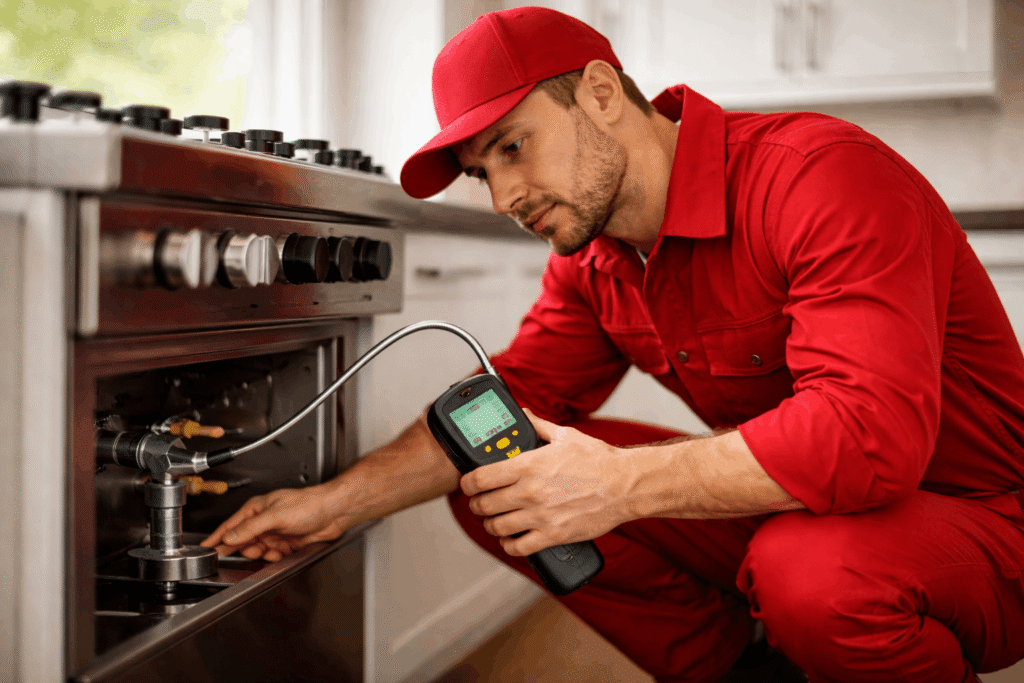
- Use a Gas Detector: Invest in a affordable electronic detector ($20-50) placed near the floor. Test monthly, especially post-storm in areas like Ruskin, where flooding stresses lines.
Local factors matter: Tampa’s clay-rich soils expand with rain, cracking pipes, while coastal salt air accelerates rust. Regulations from TECO Peoples Gas require annual inspections for rentals, so align your checks accordingly.
Pro Tip: For an insider secret, always check your garage many leaks start from attached gas meters exposed to Tampa’s intense sun. Use a flashlight (not matches!) and ventilate first to avoid buildup.
If symptoms persist, opt for professional Indoor Air Quality Check to measure gas levels precisely. This guide equips you, but hands-on practice builds confidence.
Common Mistakes to Avoid When Checking for Gas Leaks
Homeowners often underestimate gas leak checks, leading to dire consequences. One frequent error is ignoring minor odors, attributing them to “sewer smells” in Tampa’s marshy areas. This delays action, allowing gas to accumulate explosions that cost thousands in repairs and health bills.
Another pitfall: Attempting DIY fixes without shutting off the main valve. Tampering with pressurized lines can worsen leaks, turning a small issue into a home-wide hazard. Financially, this means emergency calls at premium rates; safety-wise, it endangers families.
Overlooking outdoor lines is common too. In Florida’s subtropical climate, underground pipes corrode faster, yet many skip visual inspections. A missed crack could lead to yard contamination or neighbor alerts, with cleanup fees soaring past $5,000.
Finally, relying solely on sight or smell without tools. Human senses falter in familiarity; we’ve seen cases at Tampa Gas Leak Pros where detectors revealed leaks invisible to the eye, preventing carbon monoxide incidents.
Avoid these by following structured steps and knowing limits. For businesses, skipping Commercial Gas Services invites liability restaurants in Downtown Tampa face strict codes.
Wrapping Up: Stay Safe and Proactive in Tampa
Detecting a gas leak starts with awareness of signs like odors and symptoms, followed by safe, methodical checks using soap tests and detectors. By avoiding pitfalls like ignoring subtle cues or improper handling, you safeguard your home and loved ones. In Tampa’s unique environment, regular vigilance is key to preventing disasters.
While this guide provides essential tools, nothing beats professional expertise for thorough assessments. At Tampa Gas Leak Pros, our certified technicians handle everything from Generator Gas Setup to full repairs, serving all of Tampa with rapid response. Learn more about our commitment on our About Us page.
Need help with how to check for a gas leak in your house in Tampa? Call Tampa Gas Leak Pros today at (813) 742-0590.
Leave a Reply